


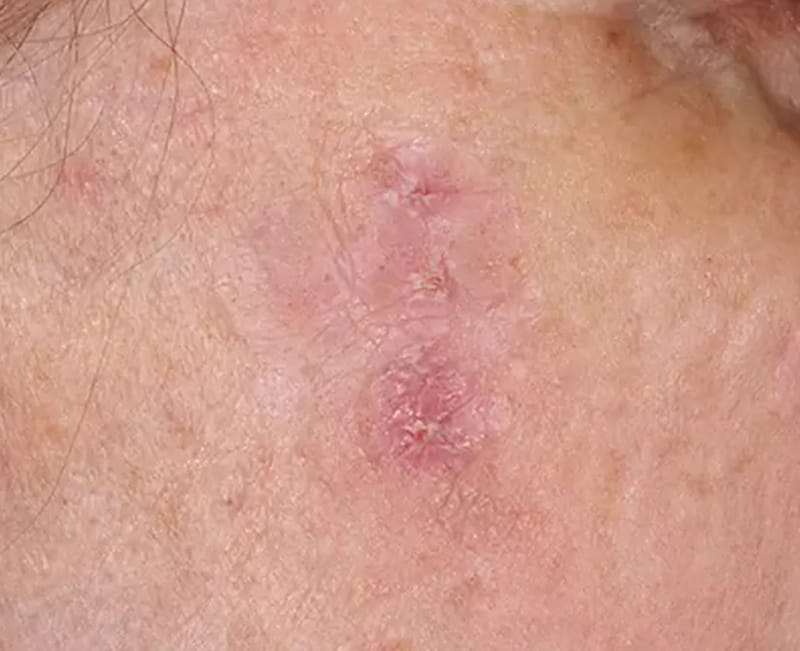
Actinic Hyperkeratosis
Our specialized medical team uses advanced techniques for natural, permanent results with minimal recovery time.
Actinic Hyperkeratosis by LP-CLINIC
Our visitors' experience
Satisfaction and self-confidence through authentic testimonies
Mil Sta

«Η εμπειρία μου με τον Δρ. Παπανικολαου ήταν εξαιρετική απο την αρχή μεχρι το τελος. Ο γιατρος ειναι απολυτα επαγγελματίας και μου ενέπνευσε εμπιστοσυνη απο την πρωτη στιγμη. Είμαι πολύ ικανοποιημένος με την επιλογή μου και με το αποτέλεσμα. Συνιστώ ανεπιφύλακτα την LP Clinic και τον κ. Παπανικολάου σε όποιον ακόμα το σκέφτεται»
5.0 από 233 Google Reviews
chris klf
«Η κριτική γίνεται στους 8.5 μήνες μετά την επέμβαση και 10 μέρες πριν το ραντεβού για την τελική αξιολόγηση από τον γιατρό. Μιλάμε για έναν εξαιρετικό γιατρό, που θα σε καθοδηγήσει και καθησυχάσει σε κάθε βήμα της μεταμόσχευσης μαλλιών. Θα σου λύσει κάθε απορία όσο "χαζή" και να είναι. Θα σου πει ακριβώς πως θα νιώθεις κάθε μέρα μετά την επέμβαση και πως θα αντιμετωπίσεις την όποια φαγούρα ή ενόχληση νιώσεις. Πέρα από εξαιρετικός γιατρός, είναι και φοβερός άνθρωπος. Μέχρι και κιμαδοπιτάκι που είχε φτιάξει η κόρη του προσφέρθηκε να μου δώσει το πρωί της επέμβασης! Επειδή όταν πήγα να πάρω την πρώτη αγωγή για την επέμβαση, με ρώτησε αν είχα φάει πρωινό του είχα πει όχι, γιατί ήμουν αγχωμένος. Εάν ψάχνετε που να πάτε για να φτιάξετε το πρόβλημα που αντιμετωπίζετε με την τριχόπτωση, απροβλημάτιστα και κυρίως ανώδυνα, σας τον προτείνω με κλειστά τα μάτια.»
5.0 από 233 Google Reviews
George Binas
«Είμαι απόλυτα ευχαριστημένος.
Το περιβάλλον είναι πολύ φιλικό και οι συνεργάτες της LP Clinic μου έλυσαν όλες τις απορίες με λεπτομέρεια.
Η δουλειά που έγινε από τον Dr Παπανικολάου Λευτέρη ήταν εξαιρετική και το αποτέλεσμα ήταν καλύτερο από ότι περίμενα.
Δεν έχω λόγια.»
5.0 από 233 Google Reviews
Frequently Asked Questions
Find answers to the most common questions and get clear and reliable information
Can actinic hyperkeratosis develop into cancer?
Actinic hyperkeratosis is a precancerous lesion, which without appropriate treatment has a 6-10% chance of developing into cancer (squamous cell carcinoma) within 10 years. In rarer cases, it can also develop into basal cell carcinoma, the most common form of skin cancer.
How can we protect ourselves from actinic hyperkeratosis?
Limiting sun exposure, wearing a hat, long-sleeved shirts and of course appropriate sunscreen. Also, after 40, a preventive examination by a Dermatologist should be performed once a year.